
Compressed air by industry
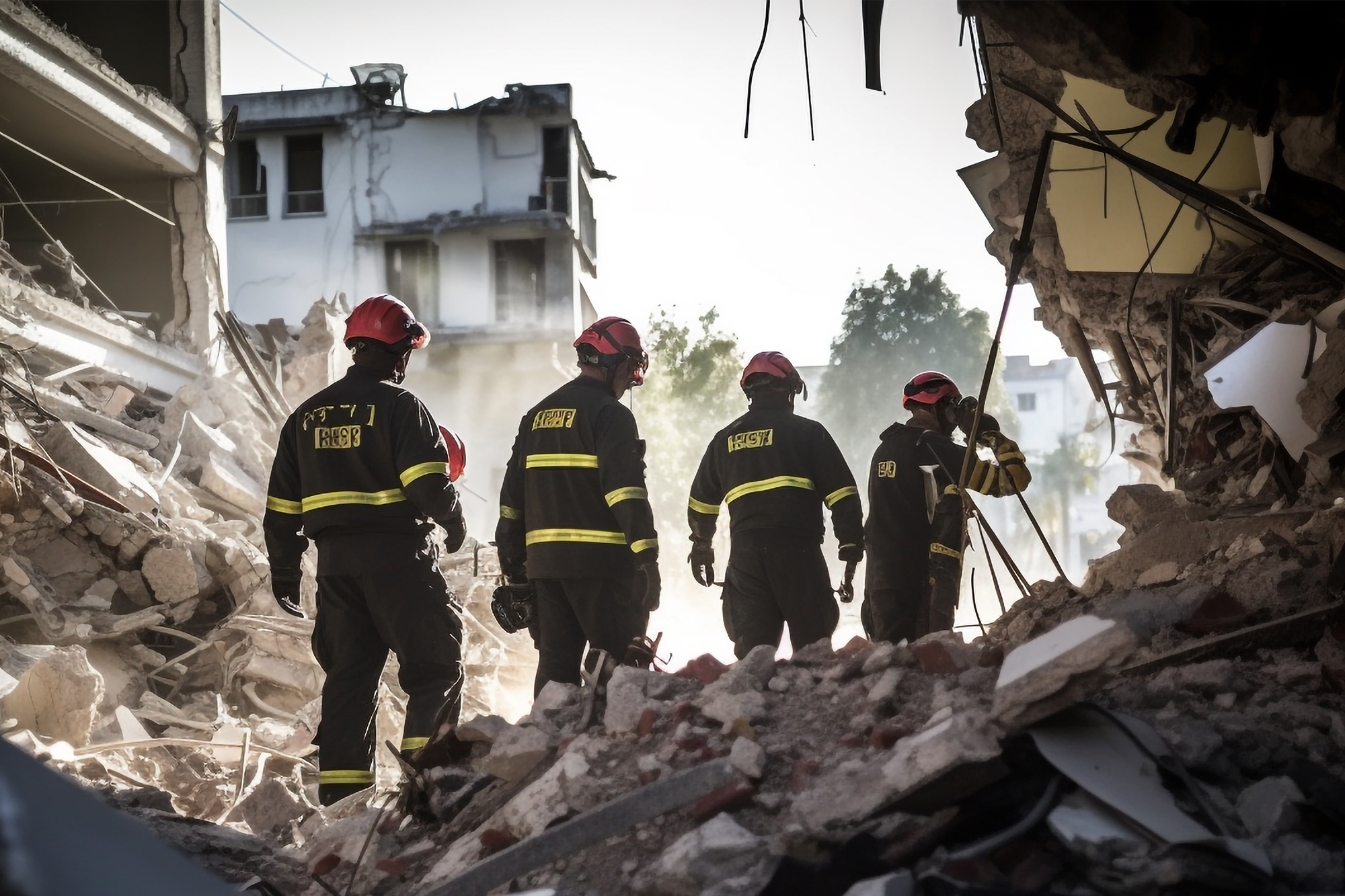
Portable Compressed Air for Emergency Response & Recovery
Response teams often work where permanent utilities are unavailable. Portable compressors can provide jobsite air for approved tools and restoration equipment.
Industry perspective
Compressed Air That Fits the Operation
Emergency work places a premium on quick setup, mobility, and straightforward service. Portable air may support pneumatic breakers, cutting tools, temporary repair equipment, and maintenance tasks used during debris removal and infrastructure recovery. Equipment must be matched to the job rather than selected by an assumed standard response package.
A response environment also introduces fuel, exhaust, ventilation, transport, and communication concerns. Portable compressor exhaust must be routed safely, and the machine should operate according to the manufacturer’s instructions and incident command procedures. Compressed air for breathing apparatus or medical uses requires entirely separate certified systems and must never be taken directly from ordinary jobsite compressor discharge.
Where air is used
Typical Compressed-Air Applications
Actual needs vary with equipment, point-of-use requirements, and operating conditions.
Infrastructure Recovery
Approved pneumatic tools during roadway, utility, and structural repair.
Temporary Maintenance
Mobile air for field repair teams and equipment service.
Remote Response Support
Compressor deployment where electric utility service is unavailable or unreliable.
System design
What Matters When Selecting a Compressor
Mobility
Consider towing configuration, placement, refueling, and weather exposure.
Runtime
Plan duty cycle, fuel service, and tool demand for shifts.
Safety
Evaluate exhaust, noise, hose routing, PPE, and the full operating environment.
Planning checklist
Before Requesting a Quote
A few accurate details help narrow down equipment, air-treatment needs, and configuration options.
- Match compressor airflow and pressure to each intended response tool.
- Review access, transport, unloading, and fuel availability.
- Provide safe ventilation and separate worker breathing-air systems.
- Plan service, spare parts, and response readiness inspections.
Explore Sullivan-Palatek
Related Compressed-Air Solutions
Quick answers
Frequently Asked Questions
What kind of compressor is used in emergency restoration?
Portable compressors may support pneumatic tools and temporary utility tasks; selection depends on the specific tools, pressure, runtime, and mobility needs.
Can jobsite compressors refill breathing-air cylinders?
Not without a purpose-designed, compliant breathing-air filling system. Typical construction compressors are not suitable for that use.